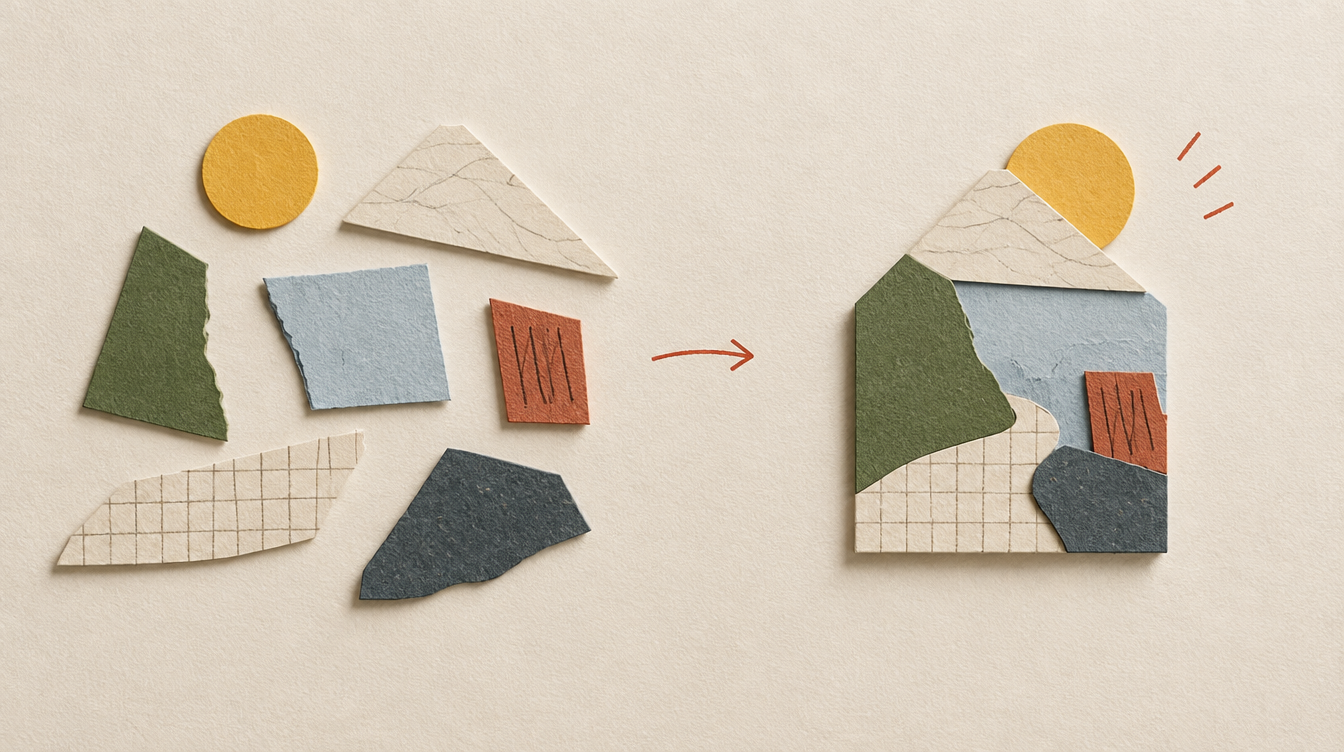
There is something interesting about the way we value things we helped create.
A table we built ourselves.
A meal we prepared.
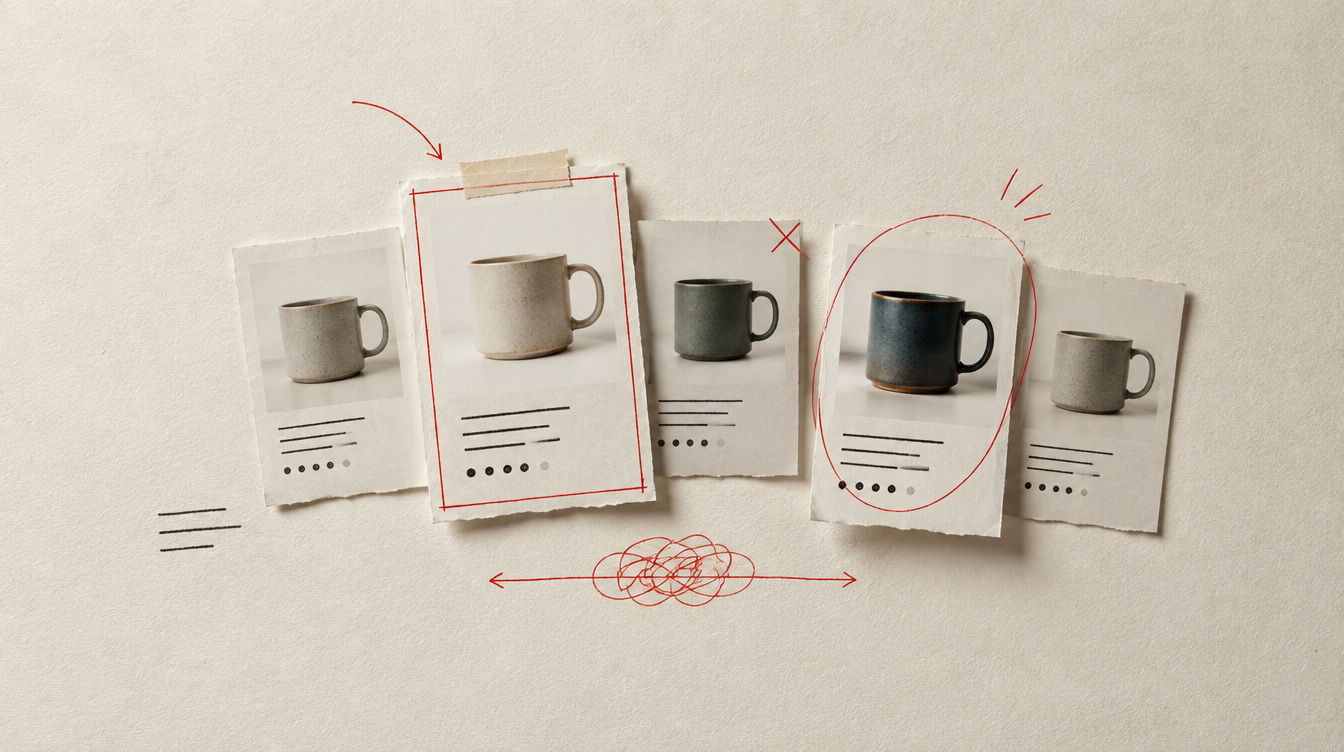
A product we customized.
Even when the result is not objectively better, it can feel more valuable because part of us is now invested in it.
The same thing happens in business.
When customers participate in shaping a product or solution, something changes.
They are no longer simply evaluating what you made.
They have become part of making it.
Ownership can change perception
This is closely related to something psychologists call the endowment effect.
We tend to place more value on things once we feel that they belong to us.
But ownership does not always have to mean legal ownership.
Sometimes, psychological ownership is enough.
I chose it.
I helped shape it.
I had a say in it.
It feels like mine.
And that feeling can influence how we evaluate the result.
This is one reason customization can be so powerful.
A product that allows people to choose, configure, name, personalize or shape their experience can create a stronger sense of connection than something completely predetermined.
Then there is the IKEA effect
There is another interesting layer.
Research around what is often called the IKEA effect suggests that people can place a higher value on things they have helped build.
The interesting part is not that the customer becomes a better designer.
It is that effort can create attachment.
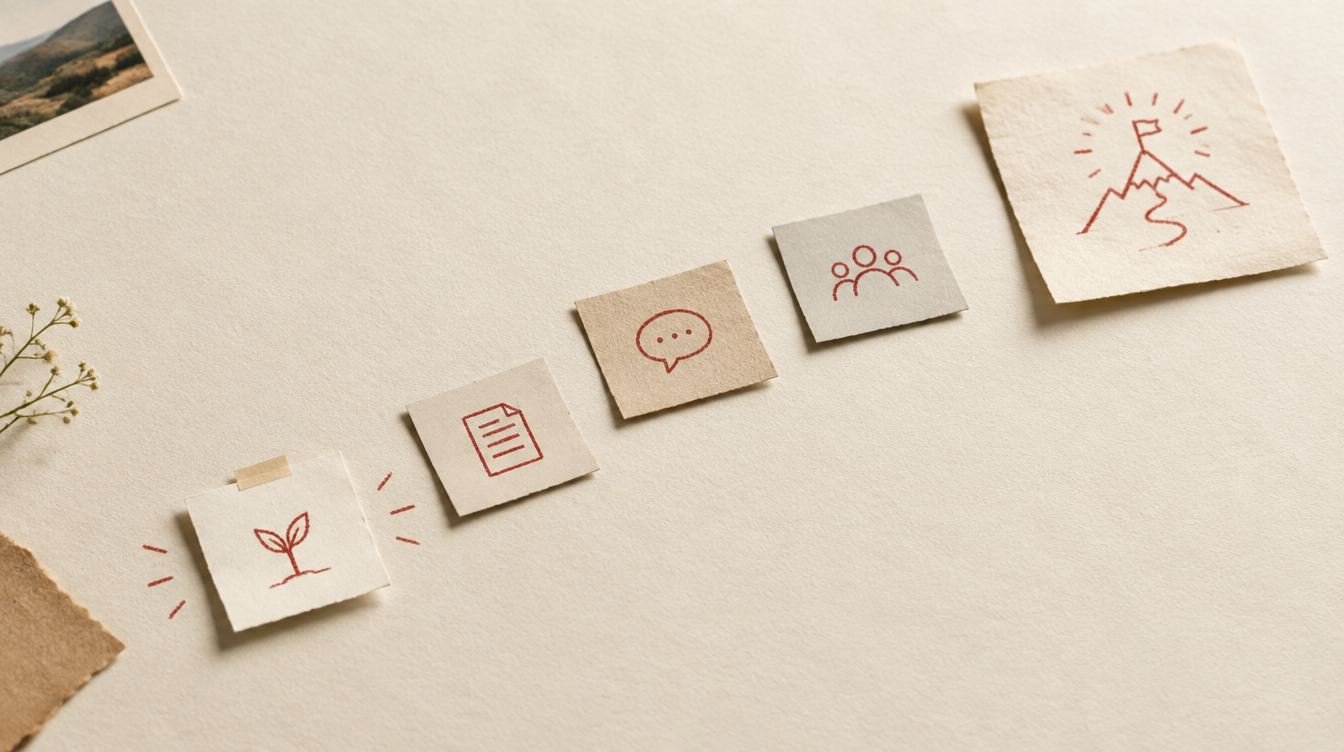
You put something into it.
Time.
Attention.
Thought.
Effort.
And once you've invested something in an outcome, walking away from it can feel different.
The product is no longer just a product.
Part of your effort is attached to it.
This changes how we think about customer participation
Customer participation is often presented as a product feature.
Choose your color.
Customize your package.
Build your plan.
Select your preferences.
Configure your dashboard.
But participation can do more than create flexibility.
It can create investment.
And investment can create a stronger relationship with the result.
This is why some of the strongest experiences don't simply give customers more options.
They give them a meaningful role.
But more participation is not always better
There is a trap here.
If you make the customer do everything, you haven't created participation.
You've created work.
There is a difference between:
"Choose how you want this to work."
and:
"You figure out how to make this work."
The first creates involvement.
The second creates friction.
Good participation removes the feeling that the customer is doing work for the company.
Instead, it makes the customer feel that their input is improving something that matters to them.
Reciprocity matters too
There is another psychological principle that becomes relevant here:
reciprocity.
When someone gives us something valuable, we often feel a natural inclination to give something back.
The exchange does not have to be financial.
A company can give the customer useful information.
The customer gives attention.
The company listens.
The customer provides feedback.
The company improves the product.
The customer feels heard.
The relationship becomes more balanced.
This is where participation becomes more powerful.
Because the customer is not simply giving input.
They can see that their input went somewhere.

The best participation closes the loop
This may be the most important part.
Asking customers for feedback is easy.
Showing them what happened because of that feedback is harder.
"Tell us what you think."
is not enough.
The stronger experience is:
You told us.
We changed this.
Here is what is different now.
That creates something much more meaningful than a survey.
It creates evidence that participation matters.
And once customers see that their contribution has an effect, they are more likely to participate again.
So don't just ask customers what they want
Ask where their involvement can create value.
Where can they personalize the experience?
Where can they shape the product?
Where can they contribute knowledge?
Where can their feedback visibly change something?
Where can they feel that the final result contains a little bit of them?
Because sometimes the strongest relationship with a product doesn't come from simply receiving it.
It comes from having a hand in creating it.
And when customers help build the solution, they may not only value the solution more.
They may feel that it belongs to them.