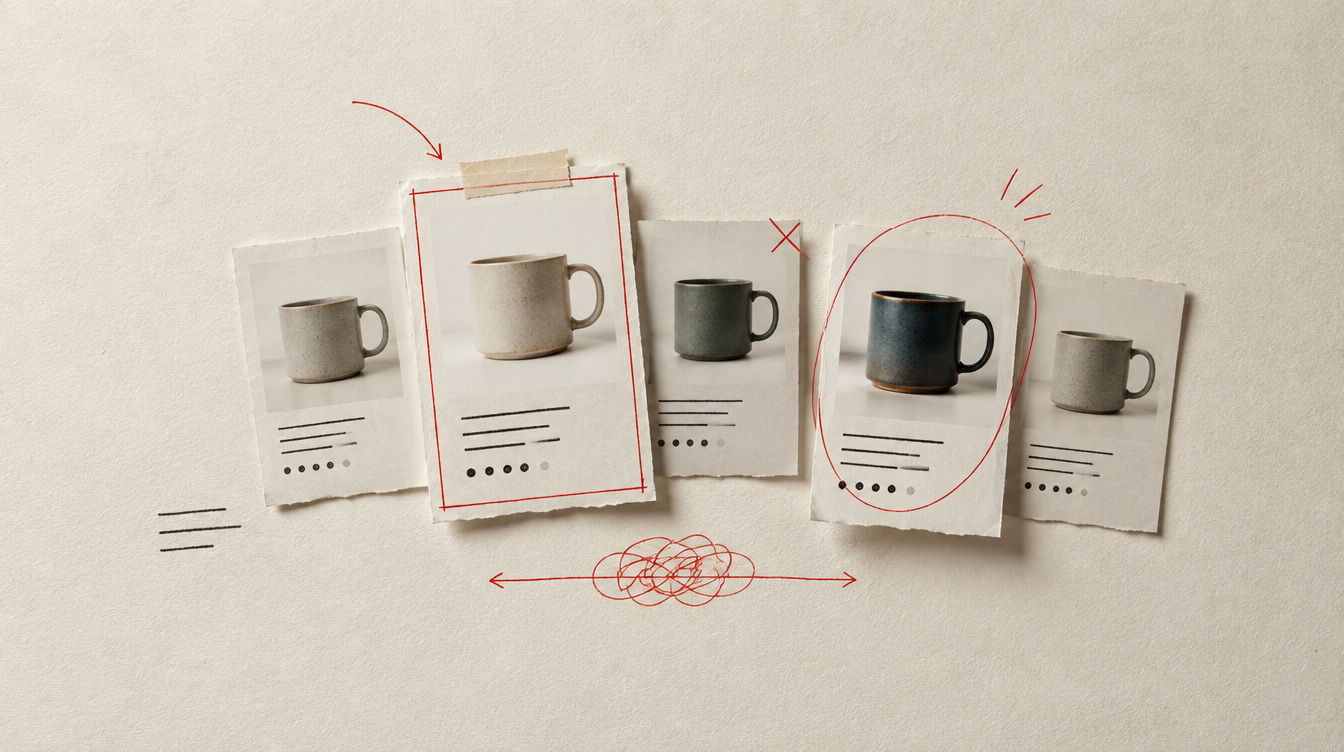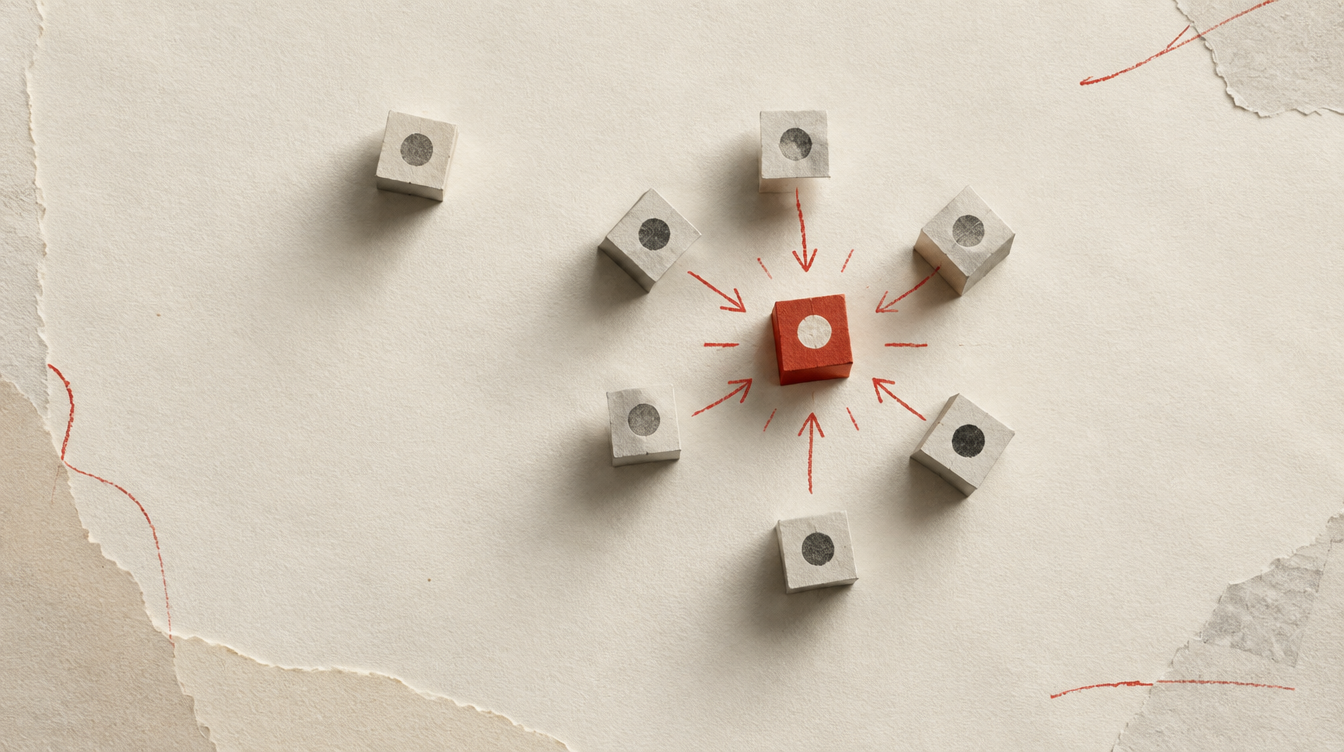
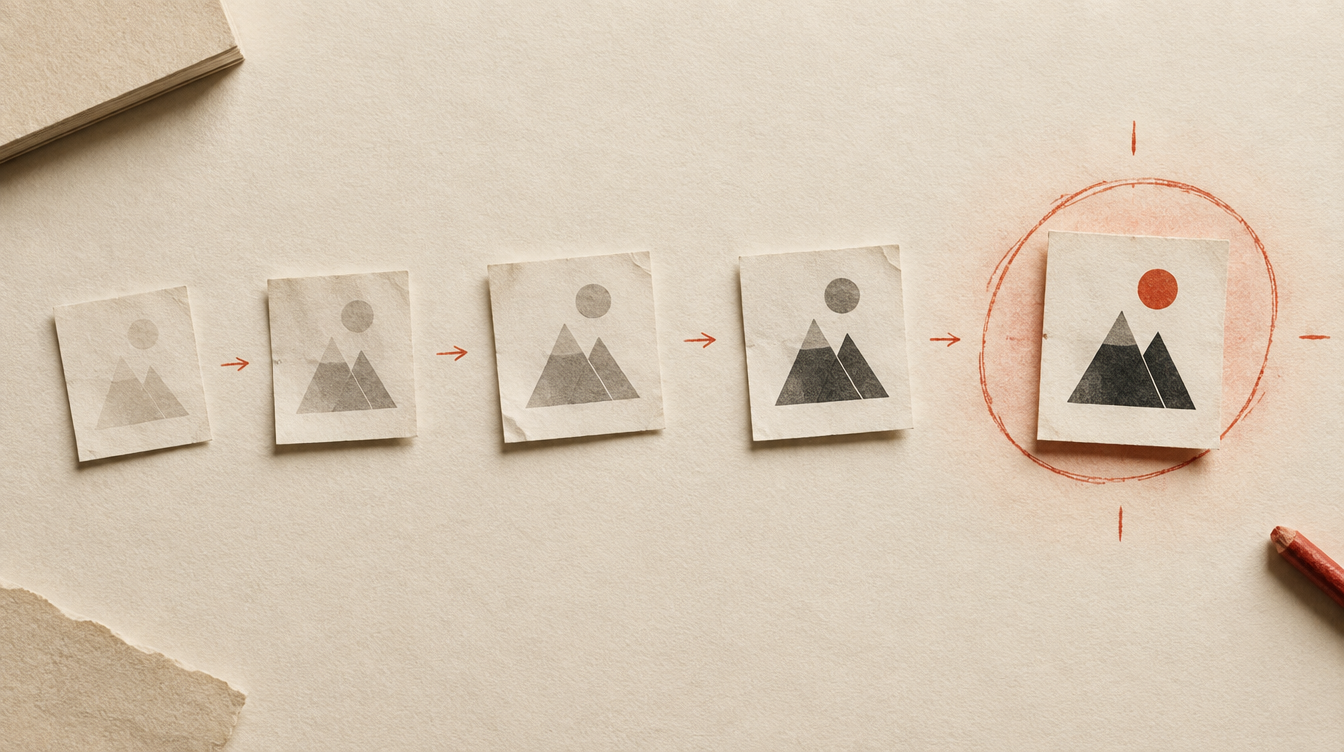
There is something interesting about familiarity.
We usually think that if we see something too many times, we eventually get bored with it.
And sometimes we do.
But in marketing, repetition often does something else.
It makes things feel more comfortable.
A brand we have seen before feels less strange than one we have never encountered.
A name we recognize feels easier to consider.
A message we have heard several times can feel more natural the next time we hear it.
Nothing about the product necessarily changed.
Our relationship with it did.
That is one of the simplest ideas in consumer psychology:
familiarity can create preference.
We tend to feel more comfortable with things that already feel known.
This matters because most brands are impatient.
They launch something.
They communicate for a few weeks.
They look at the numbers.
If the response is not immediate, they change the message.
Then they change the creative.
Then the positioning.
Then perhaps the product itself.
The problem may not be that people rejected the idea.
They may simply not have seen it enough to form an opinion.
Think about the brands you know best.
You probably don't remember the first time you saw their logo.
You don't remember the first advertisement.
You may not even remember when you first became aware of them.
But after seeing the same name, visual identity, product, tone and message repeatedly, something happened.
The brand stopped feeling unfamiliar.
And that matters.
Because unfamiliarity has a cost.
When something is completely new, we have to spend more mental effort understanding it.
What is it?
Is it relevant to me?
Can I trust it?
What does it mean?
Who else uses it?
Where does it fit?
Familiarity doesn't answer all of those questions.
But it can reduce the friction around them.
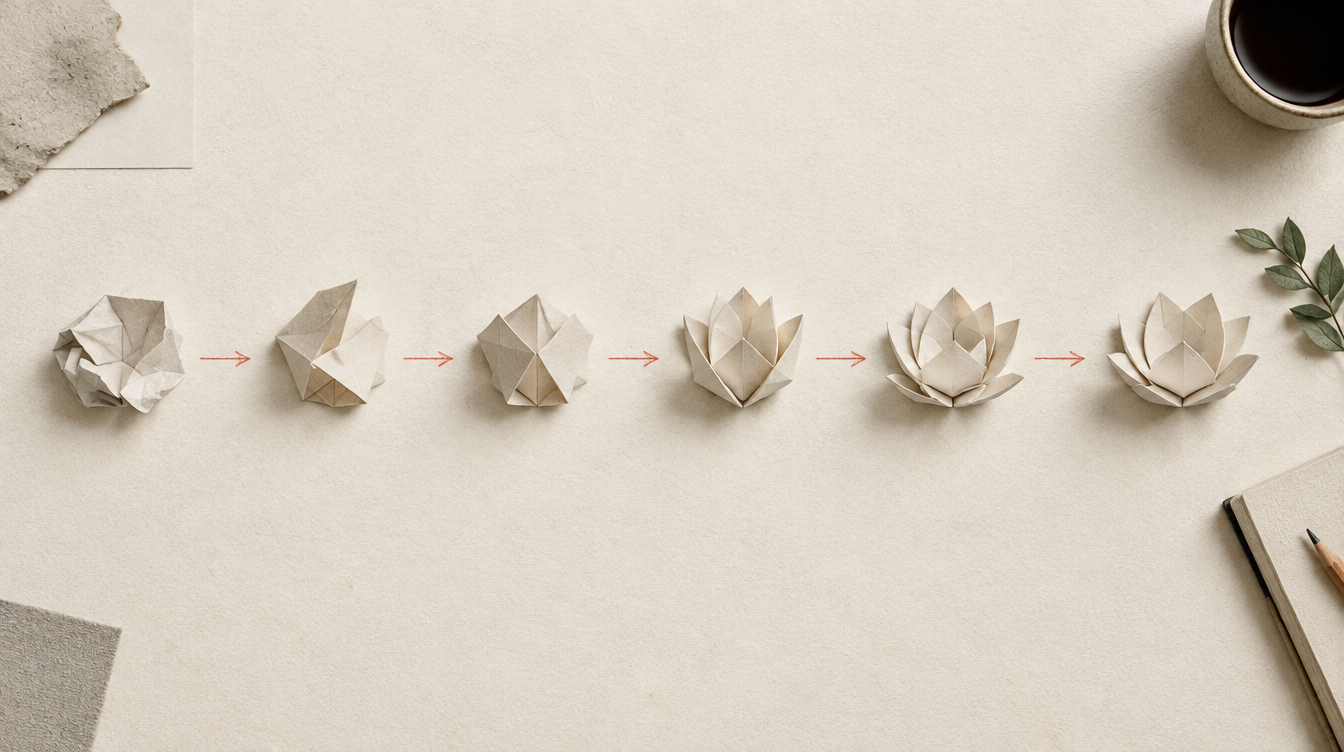
This is one reason consistency matters more than many marketers think.
Consistency is not about making every advertisement look identical.
It is about giving people enough repeated signals to build recognition.
The same idea.
The same positioning.
The same personality.
The same visual world.
The same promise.
Over time, these signals begin to accumulate.
But there is another side to familiarity.
It can also affect the way we process information.
Once we have formed an opinion about something, we tend to notice information that supports what we already believe.
This is where confirmation bias enters the picture.
If I already believe that a brand is innovative, I may interpret its new product through that lens.
If I believe a company is expensive, I may notice its high prices more than its value.
If I already dislike a category, I may find evidence that confirms why I was right to dislike it.
We don't always approach every new piece of information with a completely open mind.
We bring previous beliefs with us.
That creates an interesting challenge for marketers.
The job is not simply to get people to notice you.
It is to understand what they are likely to believe once they do.
Because the first impression matters.
But so does everything that comes after it.
Imagine a customer sees your brand for the first time.
They may not care.
They may not understand it.
They may not be ready.
That doesn't necessarily mean the communication failed.
Maybe it simply became the first piece of a much longer pattern.
The second exposure adds another piece.
The third makes the name more recognizable.
The fourth makes the message easier to process.
Eventually, the brand may move from:
"Who are these people?"
to:
"I've seen them before."
And then perhaps:
"I know what they do."
And eventually:
"I think they might be right for me."
That progression is easy to underestimate because none of those moments necessarily looks like a conversion.
But together, they can change the context in which a future decision happens.
This is why I am cautious about judging every marketing activity by immediate response.
Some marketing is designed to capture demand.
Some is designed to create it.
And some simply makes sure that when the customer is finally ready, your brand doesn't feel like a stranger.
That doesn't mean repetition is automatically good.
Repeating a weak message does not make it strong.
Being familiar does not make a bad product good.
And seeing the same irrelevant advertisement fifty times is not a strategy.
Familiarity works best when there is something worth becoming familiar with.
A clear idea.
A useful product.
A distinctive position.
A consistent identity.
A message that becomes easier to understand each time you encounter it.
The real question is therefore not:
"How many times have people seen us?"
It is:
"What are people becoming familiar with?"
Are they becoming familiar with your logo?
Your product?
Your point of view?
Your value?
Your category?
Or simply another advertisement they will forget five minutes later?
Because repetition is not the strategy. What repetition creates is the strategy.
And sometimes the most valuable thing marketing can do today is not convince someone to buy.
It is make sure that when the moment to choose arrives, your brand already feels like a familiar choice.
Not because the customer was pressured into remembering you.
But because you gave them enough consistent reasons to recognize you.
Familiarity doesn't always make people bored. Sometimes it makes the unfamiliar feel worth considering.