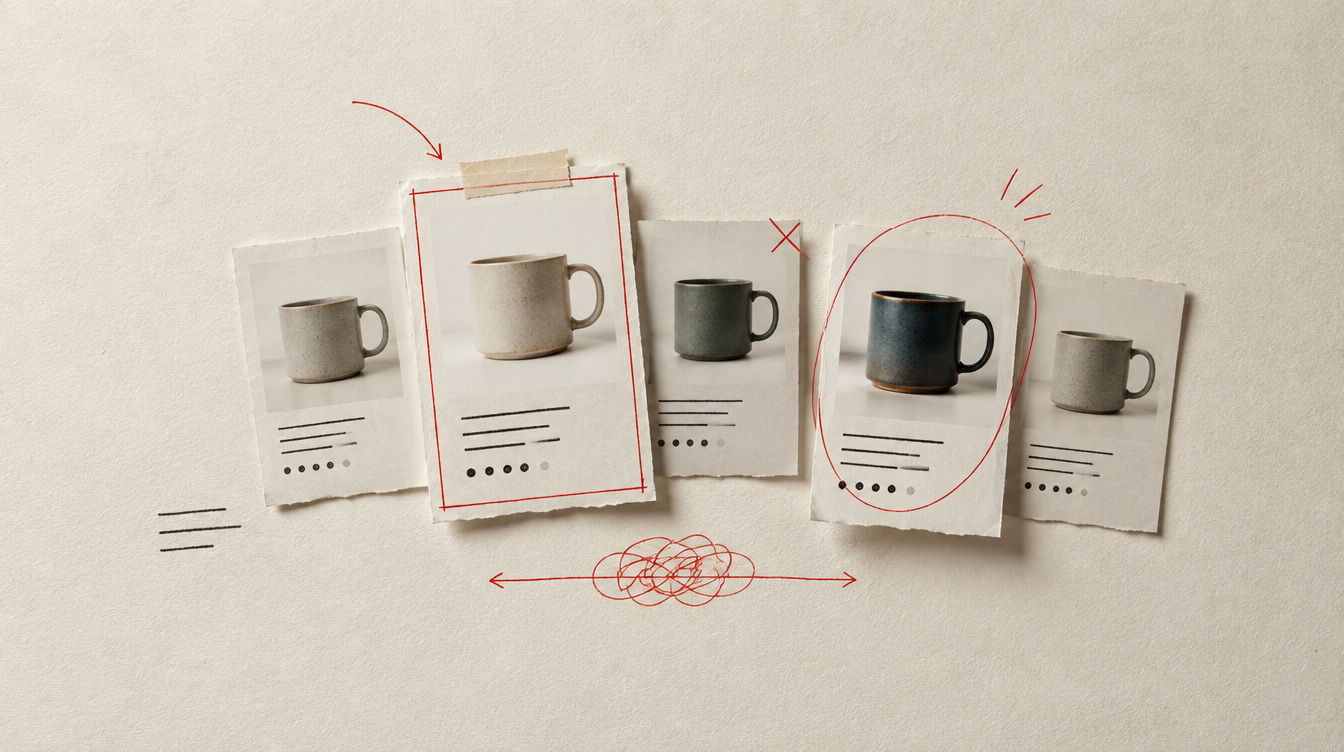

A customer experience can take hours, days, or even months.
But when someone talks about it later, they rarely describe every moment.
They remember moments.
Some moments disappear.
Others stay.
A difficult beginning can shape the memory of everything that follows.
A surprising moment in the middle can become the story.
And the final interaction can leave a disproportionate impression on how the entire experience is remembered.
This matters because businesses often measure experiences as if customers are keeping a complete record.
They track every interaction.
Every touchpoint.
Every response time.
Every step in the journey.
And those metrics matter.
But the customer does not experience the journey as a dashboard.
They experience it as a sequence of moments.
And memory does not treat all moments equally.
The beginning matters.
The end matters.
And some moments become more memorable simply because they are different from everything around them.
This is why the best customer experiences are not necessarily the ones where every single moment is extraordinary.
That would be almost impossible to sustain.
Instead, they are often experiences where the important moments are intentionally designed.
The first impression feels right.
The critical moment feels meaningful.
The ending feels complete.
The experience has shape.
This is also why fixing the average experience is not always enough.
A business can improve dozens of small interactions and still leave customers with the wrong memory.
Maybe the experience started badly.
Maybe the final interaction felt rushed.
Maybe the one moment that mattered most was forgettable.
The question, then, is not only:
“How do we improve the customer journey?”
It is also:
“What will the customer remember?”
Because customers do not carry the entire experience with them.
They carry a version of it.
And that version is what they talk about, share, compare, and use to decide whether to come back.