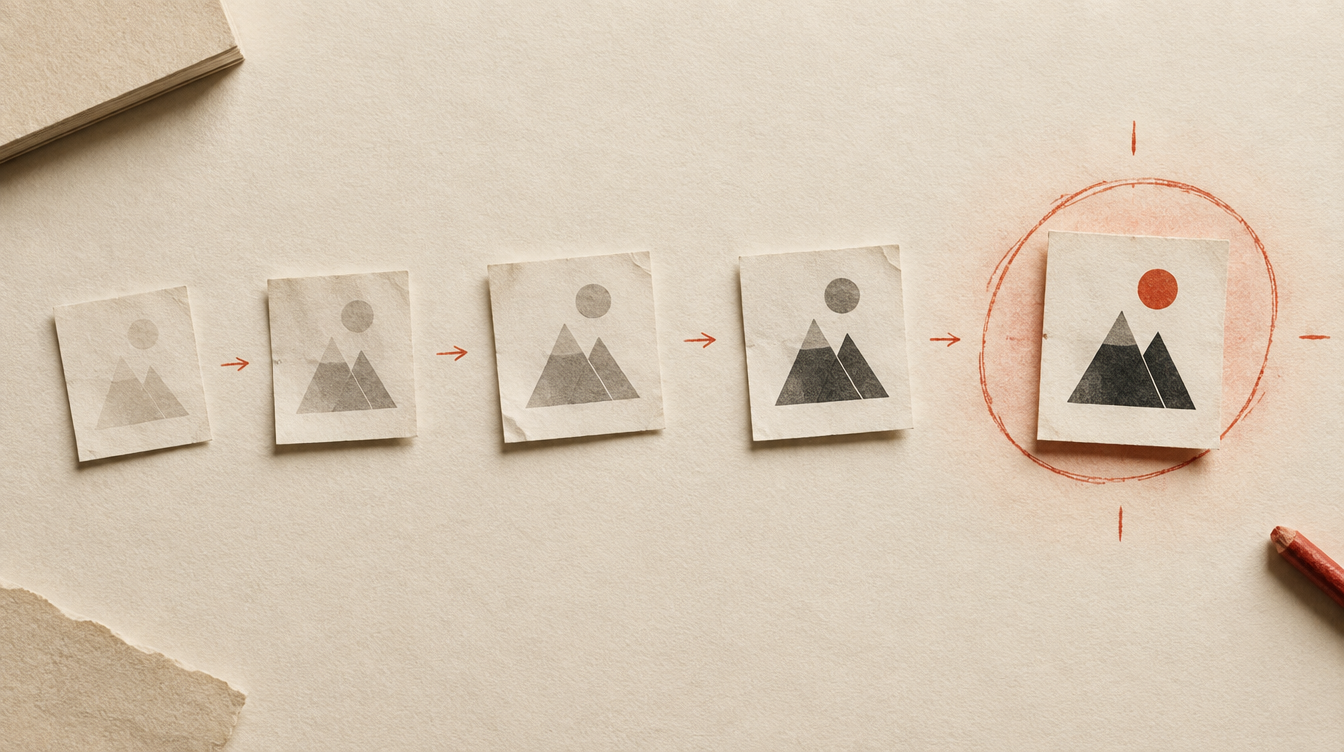

A brand is not only what a company says about itself.
It is what people understand, remember, expect and feel when they encounter it.
That sounds obvious, but it creates a difficult question for anyone working on a brand:
What happens when what we intend to mean and what people actually experience are not the same thing?
The gap between intention and perception
A company can say it is innovative.
It can say it cares about customers.
It can say it is premium, simple, human, trustworthy or different.
But saying something does not make it true.
The real brand begins to emerge in the gap between intention and perception.
What does the product feel like?
How does the company behave when something goes wrong?
How does a salesperson treat someone who is unlikely to buy?
How quickly does support respond?
What happens when nobody is watching?
These moments often communicate more than the brand statement ever could.
A brand can be carefully designed at the strategic level and still feel completely different in the hands of the customer.
That is why brand building is not only about defining what you want to say.
It is about creating enough evidence for people to believe it.
A logo can identify. It cannot carry everything.
Logos matter.
Colors matter.
Typography matters.
Taglines matter.
Visual identity matters.
But none of these things, on their own, can carry the full meaning of a brand.
A logo can help people recognize you.
It can become familiar.
It can create associations over time.
But those associations come from everything around it.
The product.
The experience.
The people.
The language.
The way problems are handled.
The expectations created by previous interactions.
The memories people attach to the brand.
The logo is an expression of the brand.
It is not the entire brand.
Brands become familiar through repetition, but meaningful through consistency
Familiarity comes from seeing something repeatedly.
Meaning comes from seeing a consistent pattern.
A brand becomes clearer when people repeatedly encounter the same underlying point of view.
Not necessarily the same advertisement.
Not necessarily the same visual execution.
The deeper consistency is in the character of the brand.
How it speaks.
What it values.
What it refuses to do.
How it treats people.
What standard it maintains.
What it promises — and whether it keeps that promise.
That is why consistency is often misunderstood.
Consistency does not mean doing the same thing again and again.
It means expressing the same underlying idea through different situations.
The identity can evolve.
The campaigns can change.
The products can change.
The world around the brand can change.
But something recognizable should remain.
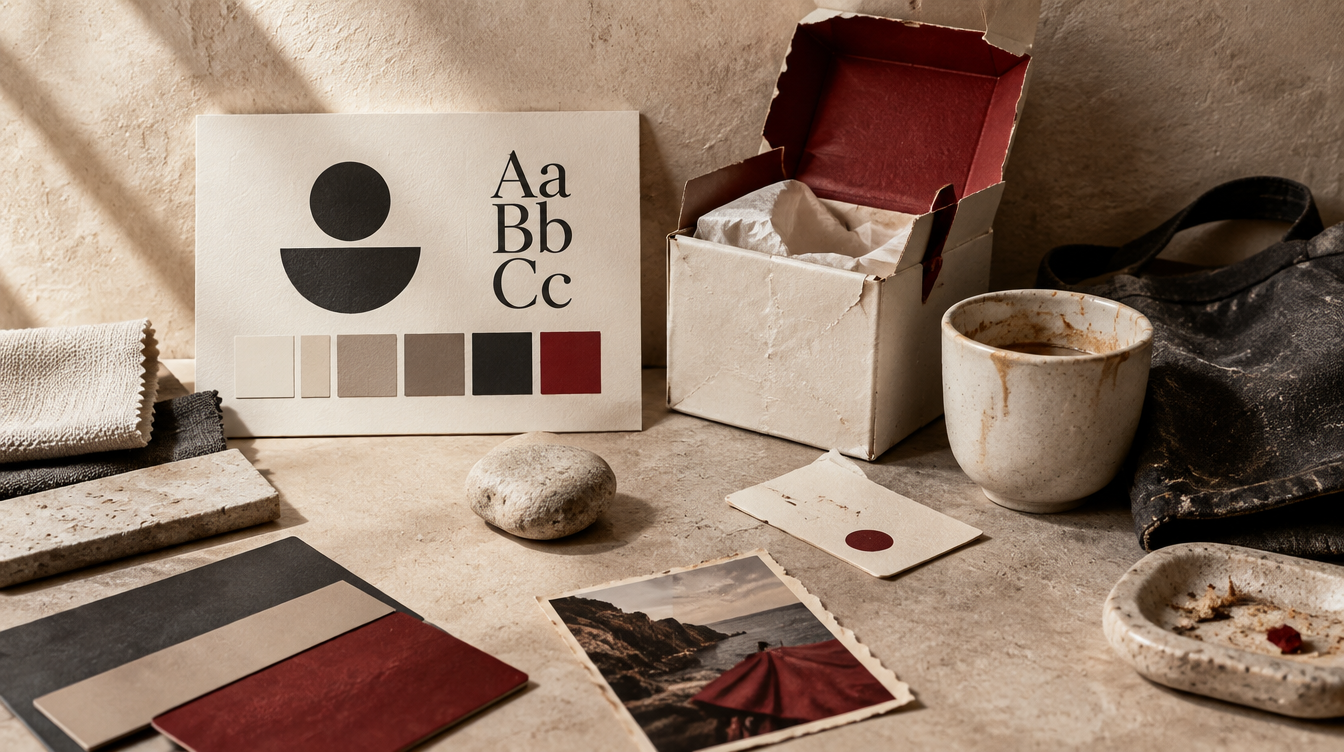
Meaning is built in the details
The strongest brands are often understood through small moments.
A difficult question answered honestly.
A product detail that shows care.
A support interaction that feels human.
A decision that prioritizes the customer even when it would be easier not to.
A brand is experienced through hundreds of small signals.
Most of them will never appear in a brand guideline.
And people rarely describe a brand using the language written in its strategy deck.
They describe it in their own words.
“It feels trustworthy.”
“They actually care.”
“They make things simple.”
“They are expensive, but worth it.”
“They just get it.”
Those statements are not taglines.
They are interpretations.
And those interpretations are where brand meaning lives.
You cannot fully control what a brand means
This is probably one of the uncomfortable truths about branding.
You can influence meaning.
You can guide it.
You can reinforce it.
You can correct it.
But you cannot completely own it.
Brands live in people's minds.
And people's minds are shaped by culture, memories, experiences, comparisons and expectations.
The same brand can mean something different to two people.
That does not mean branding has failed.
It means meaning is co-created.
The brand puts signals into the world.
People interpret them.
Over time, patterns emerge.
And those patterns become the brand.
So what should a brand actually do?
Start by deciding what you want to mean.
Not just what you want to say.
If you want to be simple, make the experience simpler.
If you want to be trusted, make trust visible in the way the business operates.
If you want to be premium, earn the premium through the product and the experience.
If you want to feel human, let people actually experience humanity in their interactions with you.
The question is not:
“What should our brand say?”
It is:
“What should people be able to believe about us because of what we consistently do?”
That question changes the work.
Because now branding is no longer only about communication.
It becomes a business discipline.
The brand eventually becomes the story people tell themselves
You cannot fully write the story of your brand for people.
You can create the conditions for a certain story to emerge.
You can decide what you stand for.
You can design how that belief appears.
You can build systems that make the promise real.
And then you have to let people experience it.
The brand eventually becomes the story people tell themselves about you.
Not because you told them what to think.
Because they have enough evidence to believe something.
That is why a brand is not what you say about yourself.
It is what people have enough evidence to believe about you.
And that is why branding is not decoration.
It is the work of creating meaning — and making sure the business can live up to it.